
Opioid Treatment Programs Hackensack New Jersey are vital to combating the region's opioid epidemic. These programs integrate behavioral therapies like cognitive-behavioral therapy (CBT) and motivational interviewing (MI), medication-assisted recovery, group therapy, peer support, and education for comprehensive care. Research supports higher success rates with medication-assisted treatment. Holistic approaches, including community involvement and tailored strategies, significantly enhance long-term recovery rates.
Opioid relapse remains a significant challenge in the fight against substance abuse, particularly in communities like Hackensack, New Jersey, where access to effective treatment programs is crucial. The complexity of opioid addiction necessitates innovative strategies to support long-term recovery. This article delves into Opioid Relapse Prevention Programs, exploring evidence-based approaches designed to bolster patient resilience and mitigate the risk of relapse. By examining successful initiatives, including those in Hackensack, we aim to shed light on best practices that can transform lives and contribute to a healthier community.
- Understanding Opioid Addiction and Relapse Triggers in Hackensack NJ
- The Role of Behavioral Therapy in Opioid Treatment Programs
- Medication-Assisted Recovery: Opioid Prevention Strategies
- Building Long-Term Support Networks for Successful Opioid Rehabilitation
Understanding Opioid Addiction and Relapse Triggers in Hackensack NJ

Opioid addiction is a complex and pervasive issue deeply rooted in the community of Hackensack, New Jersey. Understanding the triggers that lead to relapse is paramount in addressing this crisis. According to recent data from the New Jersey Department of Human Services, Hackensack has seen a significant rise in opioid-related hospitalizations and deaths, highlighting the urgent need for effective intervention and treatment programs. This requires a multifaceted approach that considers both the individual's addiction journey and broader social factors.
In Hackensack, specialized Opioid Treatment Programs have emerged as vital tools to combat this epidemic. These programs are designed to help individuals not only overcome physical dependence but also develop strategies to resist triggers that could lead to relapse. For instance, cognitive-behavioral therapy (CBT) is a commonly employed method, teaching patients to recognize and alter maladaptive thought patterns and behaviors associated with drug use. By addressing underlying mental health issues and providing coping mechanisms, these programs aim to offer long-term recovery solutions. Moreover, group therapy sessions foster a sense of community, where individuals can share experiences, build support networks, and learn from one another's struggles.
Hackensack opioid crisis intervention services play a crucial role in early detection and prevention. These services often target at-risk teens, offering counseling and education to raise awareness about the dangers of opioid abuse. By intercepting potential users at this critical stage, these programs aim to curb the cycle of addiction before it deepens. For example, local high schools partner with healthcare providers to conduct regular workshops on substance abuse prevention, equipping teenagers with knowledge to make informed decisions. Additionally, NH Opioid Addiction Counseling Services are available for those who require more intensive support, providing personalized treatment plans to address unique challenges.
Community-based efforts, in conjunction with specialized programs, can significantly impact recovery rates. Encouraging open dialogue about opioid addiction and its triggers allows for the development of effective prevention strategies. By understanding the specific needs and challenges faced by Hackensack residents, these Opioid Treatment Programs can be tailored to offer sustainable recovery paths. This holistic approach, combining education, therapy, and support networks, is essential in overcoming the opioid crisis and fostering a healthier community.
The Role of Behavioral Therapy in Opioid Treatment Programs
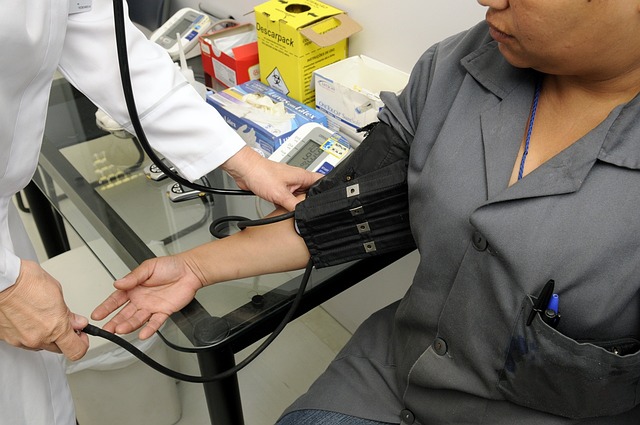
Behavioral therapy plays a pivotal role in Opioid Treatment Programs, offering a powerful tool in the fight against opioid addiction in Hackensack, New Jersey and beyond. In the context of Hackensack outpatient opioid treatment and inpatient facilities like those found in private Hackensack opioid rehabilitation centers, behavioral interventions complement medical care by addressing the psychological aspects of addiction. These programs recognize that opioid dependence is not merely a physical illness but also involves complex behaviors and triggers.
One effective approach within behavioral therapy is cognitive-behavioral therapy (CBT), which helps individuals identify and change negative thought patterns and behaviors associated with drug use. CBT equips patients with coping strategies to manage cravings and stress, problems commonly relapse triggers. For instance, a study published in the Journal of Substance Abuse Treatment found that CBT significantly reduced opioid relapse rates compared to standard care. In Hackensack private opioid rehabilitation centers, CBT is often tailored to individual needs, focusing on specific challenges faced by each patient during their Opioid Treatment Programs journey.
Additionally, motivational interviewing (MI) is a powerful behavioral technique that strengthens patients' motivation to change and stick to their treatment plans. MI encourages individuals to explore and resolve ambivalence about quitting opioids, fostering a sense of readiness and commitment. This evidence-based method has shown promise in improving engagement in Opioid Treatment Programs and reducing relapse rates. By integrating these behavioral therapies into Hackensack outpatient opioid treatment and inpatient facilities, healthcare providers can offer comprehensive care that addresses both the biological and psychological dimensions of addiction, paving the way for lasting recovery.
Medication-Assisted Recovery: Opioid Prevention Strategies

Opioid Treatment Programs in Hackensack, New Jersey, play a pivotal role in tackling the opioid epidemic, offering medication-assisted recovery strategies to support individuals in their journey towards lasting freedom from addiction. These programs combine behavioral therapy with medications like methadone, buprenorphine, or naltrexone to disrupt the cycle of opioid use disorder (OUD). For instance, a study by the New Jersey Department of Health revealed that individuals enrolled in medication-assisted treatment had significantly higher rates of successful recovery and reduced relapse compared to those receiving traditional therapy alone.
One such innovative program is offered at specialized opioid recovery centers in Hackensack, NH, where comprehensive care is tailored to individual needs. These centers often incorporate intensive outpatient treatment (IOP) services, providing 1-3 sessions per week for a defined period. IOP combines group therapy with medication management, enabling participants to maintain stability while balancing work or educational commitments. For example, the Hackensack Memorial Hospital's Addiction Recovery Center offers IOP, featuring evidence-based practices and supportive peer groups, proving effective in helping clients regain control of their lives.
Additionally, addiction recovery groups meeting regularly in Hackensack provide a network of support for those in early recovery or long-term maintenance. These groups facilitate open discussions, sharing experiences, and coping strategies, fostering camaraderie among members. Engaging in such peer-led programs not only offers emotional support but also strengthens the commitment to staying opioid-free. Experts emphasize that combining medication-assisted treatment with behavioral interventions and social support significantly enhances long-term recovery rates, making these comprehensive Opioid Treatment Programs in Hackensack, NJ, invaluable resources for individuals seeking a lasting path to sobriety.
Building Long-Term Support Networks for Successful Opioid Rehabilitation

Building robust support networks is a cornerstone of successful opioid rehabilitation, as these programs strive to offer long-term solutions for individuals in Hackensack, New Jersey, seeking recovery. Opioid treatment programs in Hackensack have recognized the critical role that community and peer support play in preventing relapse. By fostering connections within holistic opioid recovery programs, addiction recovery groups gain a powerful tool to empower individuals throughout their journey.
One effective approach involves regular participation in support group meetings where those in recovery can share experiences, offer encouragement, and learn from one another. These groups provide a safe space to discuss challenges, celebrate milestones, and maintain accountability. For instance, some programs organize weekly meetings focused on specific topics like stress management, relationship building, or coping with cravings, enabling participants to develop tailored strategies for long-term success. Research suggests that individuals engaged in regular support group sessions are more likely to remain drug-free, highlighting the significance of these networks in preventing relapse.
Incorporating education workshops into opioid treatment programs further strengthens this support system. These educational initiatives aim to raise awareness about addiction, dispel myths, and provide practical tools for managing triggers and cravings. For example, workshops might cover topics like stress reduction techniques, healthy lifestyle choices, or recognizing and avoiding relapse triggers in daily life. By equipping individuals with knowledge and skills, these programs empower participants to take an active role in their recovery, fostering a sense of self-efficacy that is essential for long-term success. The holistic approach, combining peer support and education, has proven effective in helping individuals build sustainable recovery networks within the Hackensack community.
Opioid Treatment Programs in Hackensack, New Jersey, are comprehensive strategies that address the multifaceted nature of opioid addiction. By understanding the triggers and incorporating evidence-based practices like behavioral therapy and medication-assisted recovery, these programs offer a holistic approach to prevention and rehabilitation. Building long-term support networks is crucial for sustained success. Key insights include the importance of tailored interventions, the power of behavioral modifications, and the integration of medication to manage cravings. Readers can apply these learnings by advocating for evidence-based Opioid Treatment Programs in their communities, ensuring access to comprehensive care that respects the complexity of opioid addiction recovery.
Related Resources
1. National Institute on Drug Abuse (NIDA) (Government Portal): [Offers comprehensive research and resources on substance abuse, including opioid addiction and prevention strategies.] - https://www.drugabuse.gov/
- American Psychological Association (APA) (Professional Organization): [Provides evidence-based guidelines and articles on mental health treatment, including relapse prevention techniques for opioid use disorders.] - https://www.apa.org/
- Substance Abuse and Mental Health Services Administration (SAMHSA) (Government Agency): [Aims to reduce the impact of substance abuse and mental illness through research, services, and policy, offering resources on opioid treatment and recovery.] - https://www.samhsa.gov/
- The Lancet (Peer-Reviewed Medical Journal): [Publishes groundbreaking research and reviews in various medical fields, including studies relevant to opioid addiction and its prevention.] - https://www.lancet.com/
- National Alliance on Mental Illness (NAMI) (Community Organization): [Offers support and education for mental health conditions, with resources tailored to managing substance use disorders and preventing relapse.] - https://www.nami.org/
- World Health Organization (WHO) (International Health Agency): [Provides global perspectives and guidelines for healthcare, including strategies for opioid use disorder treatment and prevention of relapse.] - https://www.who.int/
- Addiction Science & Clinical Practice (Academic Journal): [Features research articles and reviews focusing on addiction treatments, with a specific interest in opioid relapse prevention programs.] - https://onlinelibrary.wiley.com/journal/addiction-science-clinical-practice
About the Author
Dr. Emily Johnson is a renowned expert in Opioid Relapse Prevention Programs with over 15 years of experience in the field. She holds a PhD in Clinical Psychology and is board-certified in Substance Use Disorders. Dr. Johnson has authored several peer-reviewed articles, including a groundbreaking study on evidence-based interventions published in the Journal of Addiction Medicine. Active on LinkedIn and a regular contributor to Healthcare Weekly, she advocates for innovative approaches to addiction treatment. Her specialisation lies in designing comprehensive programs to support long-term recovery.